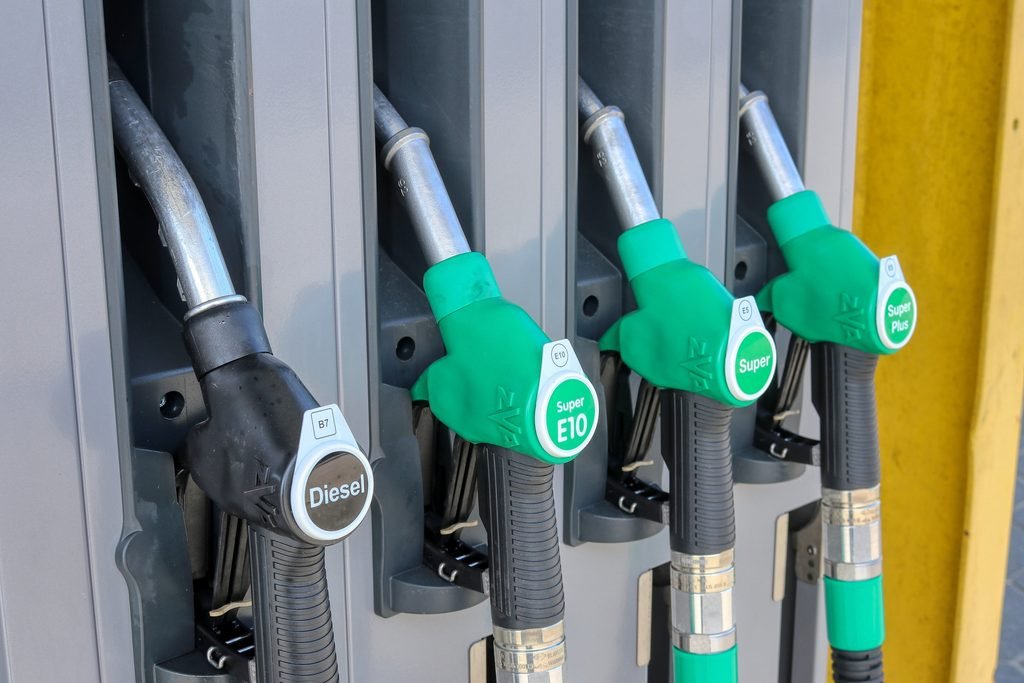
The continued rise in fuel costs is likely to place further pressure on business margins in the short term.
When the Iran conflict escalated in April 2026, it sent shockwaves through global energy markets and triggered a significant increase in fuel prices. The impact was felt across supply chains worldwide, forcing freight forwarders in Ireland to increase fuel surcharges to between 13% and 17%, up from the more typical 6.5% to 8% that had become common following earlier disruptions caused by the war in Ukraine and other global events.
Businesses across virtually every sector found themselves issuing or receiving price increase notices. Many were faced with a difficult decision: absorb the additional costs and protect customer relationships, or pass the increases on and risk losing competitiveness. In highly competitive markets, passing on cost increases is often easier said than done.
During the summer months, fuel prices stabilised and appeared to be moving in a more positive direction. This provided an opportunity for purchasing teams to reopen negotiations with suppliers and logistics providers, while businesses began planning for a more favourable environment. However, the situation has changed again.
As winter approaches, ongoing geopolitical tensions in the Middle East and Ukraine continue to create uncertainty in energy markets. At the same time, fuel inventories remain under pressure, leading to another rise in diesel prices and increasing concern across global supply chains.
In the United States, diesel prices increased from approximately $4.58 per gallon in July to $6.39 per gallon by late September, representing an increase of almost 39%. Europe has experienced similar pressure, with average diesel prices rising by around 27% over the same period.
The result is renewed cost pressure across industries. Logistics providers have already begun issuing notices of higher freight charges, forcing businesses once again to decide whether these costs should be absorbed internally or passed on to customers. At the same time, rising household energy and living costs are likely to contribute to wage inflation and place additional pressure on employers.
While analysts forecast that energy markets may stabilise and gradually improve during 2027, there is no guarantee that these predictions will materialise. Businesses should therefore continue to plan for worst-case scenarios rather than relying solely on optimistic forecasts.
What Can Businesses Do?
From a purchasing and supply chain perspective, effective supplier negotiations will be critical. Every percentage point saved directly contributes to protecting profit margins.
Where working capital allows, businesses should also review purchasing strategies and shipment consolidation opportunities. Freight costs generally become more economical as shipment sizes increase, making it important to maximise container and truck utilisation wherever possible. Shipping half-loaded containers or partially utilised trucks almost always results in higher transportation costs per unit.
A detailed review of fast-moving versus slow-moving inventory can help businesses identify optimal purchasing quantities. Increasing order quantities of high-turnover products may reduce freight costs and improve buying power while excess stock levels of slower-moving items should be carefully avoided.
Companies should also continue to evaluate alternative suppliers, logistics routes and sourcing locations to reduce exposure to ongoing fuel-related cost pressures.
Looking Ahead
The impact of rising energy costs extends well beyond transportation and logistics. Higher operating costs, increasing wage demands and continued economic uncertainty are likely to influence hiring decisions and investment strategies across many sectors.
As a result, some organisations may increasingly consider outsourcing certain functions or relocating activities to lower-cost regions in order to maintain competitiveness and protect profitability.
While the future direction of energy markets remains uncertain, one thing is clear: businesses that actively manage procurement costs, optimise their supply chains and respond quickly to changing market conditions will be in the strongest position to protect margins during the months ahead.